
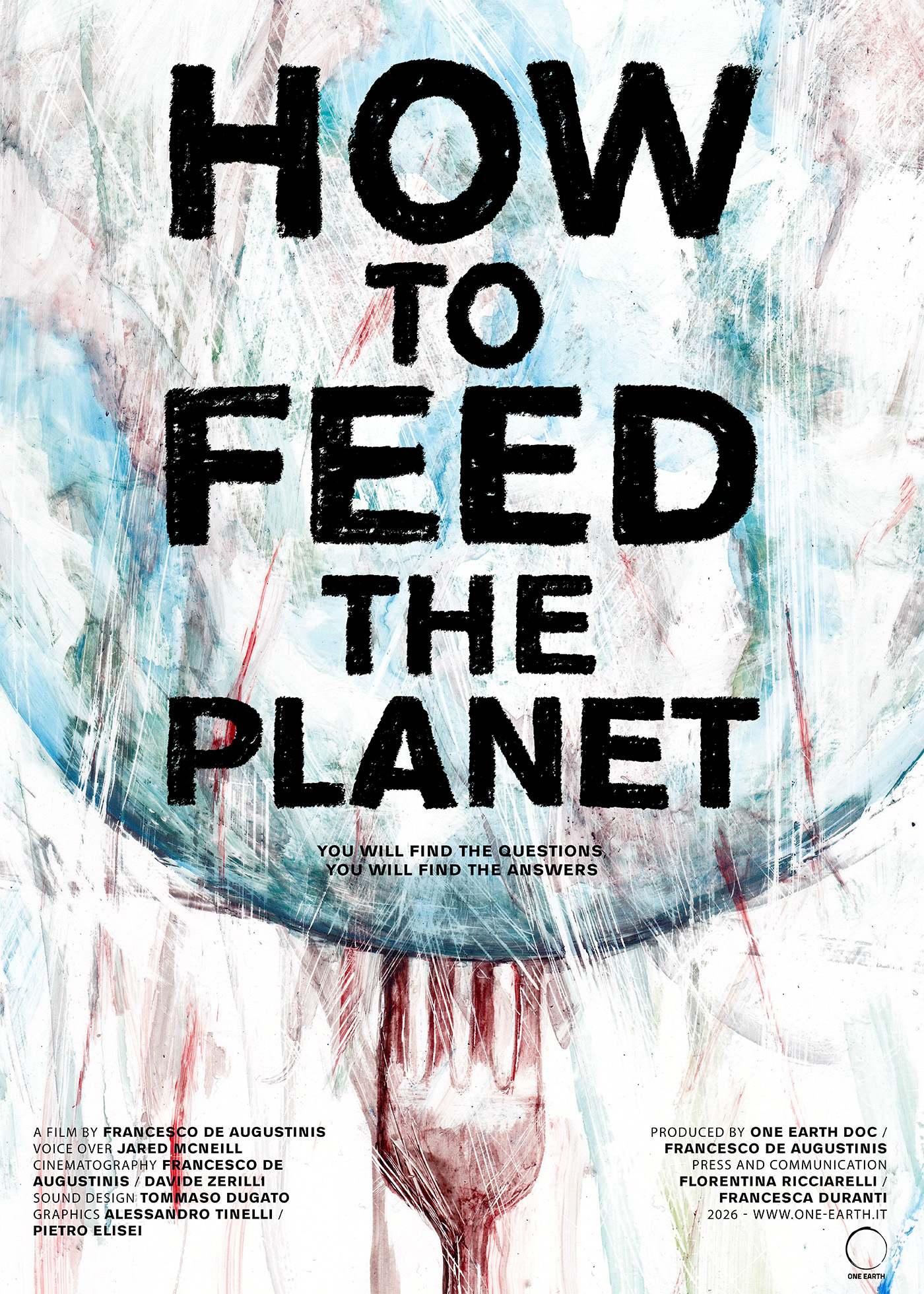
NEW! The feature documentary “How to Feed the Planet“

The feature documentary “Until the End of the World”

China increasing demand for meat and the pressure on Amazon and Cerrado
China has become the biggest importer of the Brazilian soy, used to produce feed for farmed animals. But this rush for commodities is having consequences on environment and global food security “Sorriso” in Portuguese means “smile”: it is the name of a town in the...
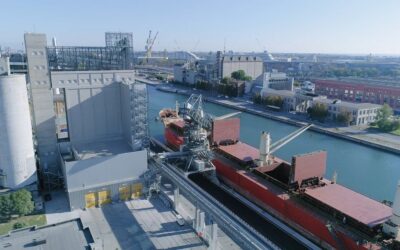
How much soy do we eat (without knowing it) through intensive farming?
Italy uses 3.7 million tons / year of soy for animal production. Only 689 thousand tons are of national origin, all the rest (3.2 million tons) is imported, mainly from Argentina, Brazil, United States, Paraguay. On December 2, 2019 a ship carrying 31,000 tons of...

Soy business: Brazil is burning, the responsability of the big corporations
The images of the fires season in the Cerrado area. "Every year they light the fires, they are burning everything to clean up the area and take over our reserve," said Lourdes De Farias, a resident of Cláudia, Brazil, in the video. A video reportage (in Italian) by...

Deforestation in Paraguay, the hidden link with the European leather industry
A report by the NGO Earthsight links the loss of forest between Paraguay, Argentina and Bolivia and the exports of leather in Italy. Importing companies: we respected the rules in Paraguay.Italian leather has been placed at the center of an international dispute...
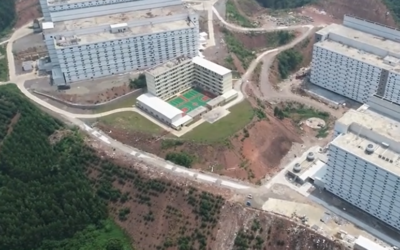
A 12-storey pig farm: has China found the way to tackle animal disease?
Biosecure farms complete with staff quarantine and chutes for dead pigs are seen as progress, but may carry their own risksThe buildings do not even look like farms. They are huge grey concrete blocks, many storeys high, which stand side by side in the middle of what...
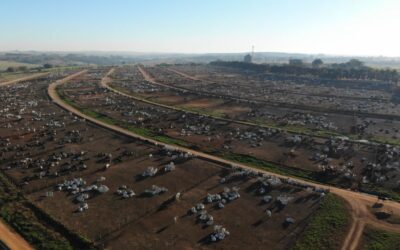
Eating deforestation, European and Italian imports behind the fires in the Amazon
The main beef producer in Brazil is directly involved in supplying cattle from areas of the Amazon that have been illegally deforested. This meat continues to arrive in large amounts in Italy, where it is used for the production of Bresaola della Valtellina and canned...

Fire season, the Brazilian Amazon is set to burn more than in 2019 – experts warn
“We are seeing the same trends of deforestation, in the same areas of the Amazon and also in the developing regions of the Cerrado, but the rates are higher than last year” A new fire season in the Brazilian Amazon has just begun, with 1.444 fires recorded in the...

Covid outbreaks in slaughterhouses globally, lack of controls among workers in Italy
In Europe and US, outbreaks break out in meat processing plants. In Italy, a poorly transparent supply chain makes it impossible to understand what really happens. Slaughterhouses in Italy played a decisive role in promoting the spread of Covid19, as happened in the...

Coronavirus, thousands of meat plant workers infected in dozens of outbreaks in Europe and US
At least 37 outbreaks since March on the continentIn the months of the pandemic, slaughterhouses and meat processing plants were the outbreaks of Covid-19 infection both in the United States and in Europe. Just a few days ago in Germany the authorities found over 650...

EU-Mercosur free trade agreement could boost Amazon deforestation
The free trade agreement between EU and MERCOSUR is going to increase the amount of forest risk commodities such as beef and soy imported in Europe. The free trade agreement between European Union and Mercosur countries could have serious consequences on the...
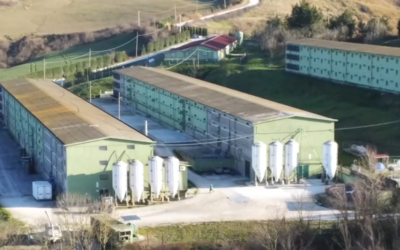
Coronavirus: Industrial animal farming has caused most new infectious diseases and risks more pandemics, experts warn
‘Zoonoses often take that route... and the more you have of a thing, the more that thing is going to be the likely conveyor,’ says UN environment chief Industrial animal farming has caused most new infectious diseases in humans in the past decade – and risks starting...
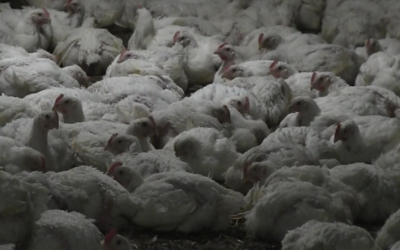
Deforestation and factory farms, a “Disneyland” for the spread of new viruses
According to different estimates based on FAO data, every year globally over 150 billion animals (also taking into account fishing) end up in our food production cycle, of which at least 80 billion through intensive farming. The magnitude of this number is even more...
ONE EARTH doc is an independent investigative project to research the environmental, social and ethical impact of the global food system.
We investigate the ever-increasing animal production and the further intensification in factory farming.
We follow a One Health approach: human health is deeply related to animal health and environmental health. So what happens to humankind when the balance gets broken?
We expose the “side effects” of the food system, including deforestation, land, water and resources grabbing, loss of biodiversity, chemical pollution, social impacts.
We also include in our research the ethical matter, investigating the cultural and religious roots that brought us to an unbalanced and unethical food system, that is now jeopardizing our life in this planet.
Journalistic investigations and documentaries
ONE EARTH doc is an independent journalistic project. The main outputs are:
- Feature stories published on international media, investigating the global food system, factory farms, environmental and social matters, fishery and fish farms, deforestation and loss of biodiversity, human health, food security, ethics.
- A series of documentaries investigating different aspects of an unsustainable food system.
Support Us
Support this project through the crowdfunding campaign at this link. Every support is precious to tell this story!
The budget will be used to produce the documentary and the video inquires (video production, editing, post production, distribution).
About us
One Earth is an independent project, based on the team of professionals that worked on the production of Deforestation Made in Italy (feature documentary, ITA, 2019, 67′), about tropical deforestation and the import of forest risk commodities in Europe and Italy, and ONE EARTH – Everything is connected (feature documentary, ITA, 2021, 93′), about the impact of the iper-industrialization of the food system.