Only 0.04 percent of Italian seas are closed to fishing, keeping Italy far from the United Nations’ 30×30 protection objectives
by Francesco De Augustinis
This story was produced with the support of Journalismfund Europe
Italy has committed to ensuring “strict protection” for 10% of its seas by 2030, within its “30×30” national strategy for biodiversity, but according to officials to date only 0.04% of national waters are closed to fishing, and this number could be further reduced due to an imminent expansion of territorial waters.
“Italy should be able to effectively protect 30% of its seas by 2030, and 10% with strictly protected areas,” says Lorenzo Tunesi, Associate Researcher at the Italian Institute for Environmental Protection and Research (ISPRA). According to Tunesi, the definition of “strictly protected areas” in the European Union means a complete closure of fishing activities, and in Italy, “currently, with our surface area, we are at 0.04%.”
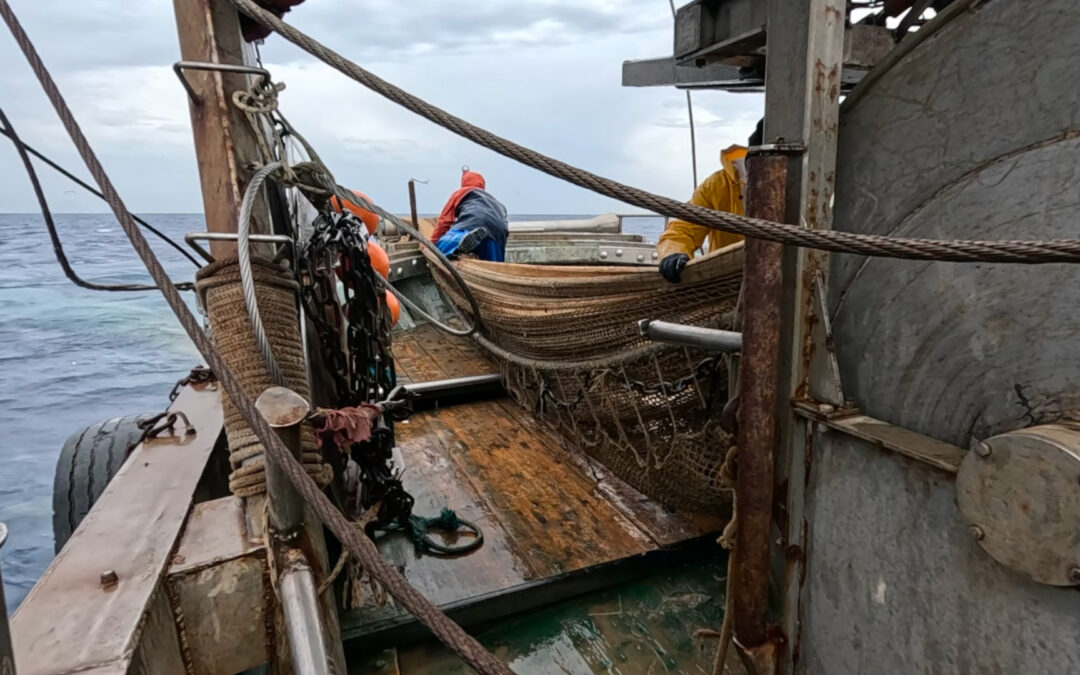
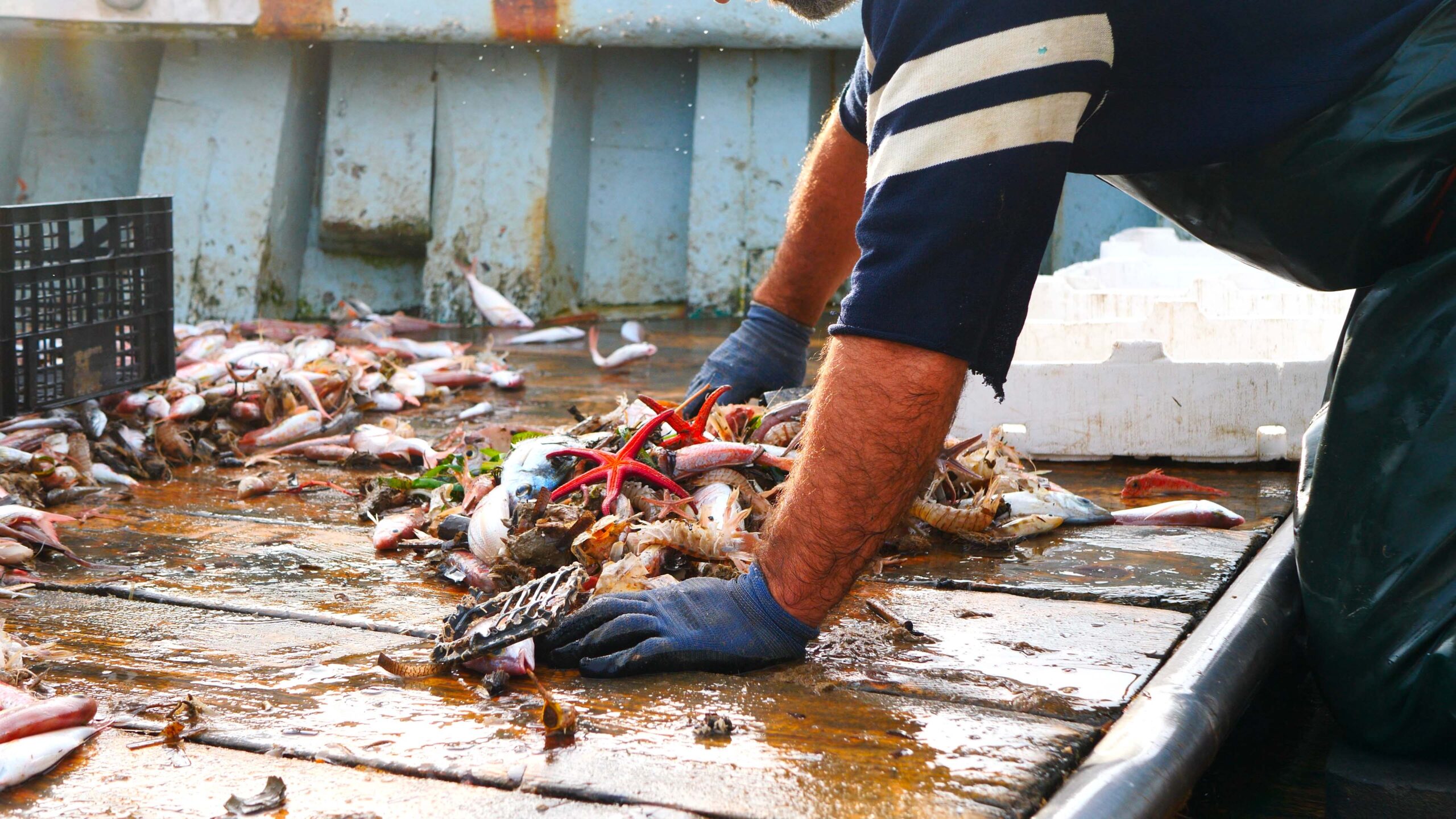
Italy has the largest fleet in the Mediterranean Sea, and critics argue that the economic importance of the fishing sector is the reason for the delay in adopting adequate protection measures. “There was a huge outcry when the European Commission launched an action plan for sustainable fisheries in February last year, which proposed a ban on trawling in 30%” of the EU waters, Domitilla Senni, president of the Italian based Ngo MedReact, tells us.
Meanwhile, the Italian government is proceeding to establish an “Exclusive Economic Zone” at sea, extending its sovereign rights from the current 12 nautical miles to 200 miles. This decision will increase the area of sea over which the country has jurisdiction, and for which it must therefore guarantee protection.
“This is a major challenge for Italy to reach 30%,” Tunesi tells us. In this scenario, “everything within the 12 miles would be the 30%,” he says, “it wouldn’t even be enough, we should close everything.”
The largest fleet in the Med
The 30×30 target for Italy is included in the country’s National Biodiversity Strategy, which implements a goal defined by the United Nations’ COP15 in 2022, committing all countries to ensuring protection to 30% of the oceans by the end of the decade.
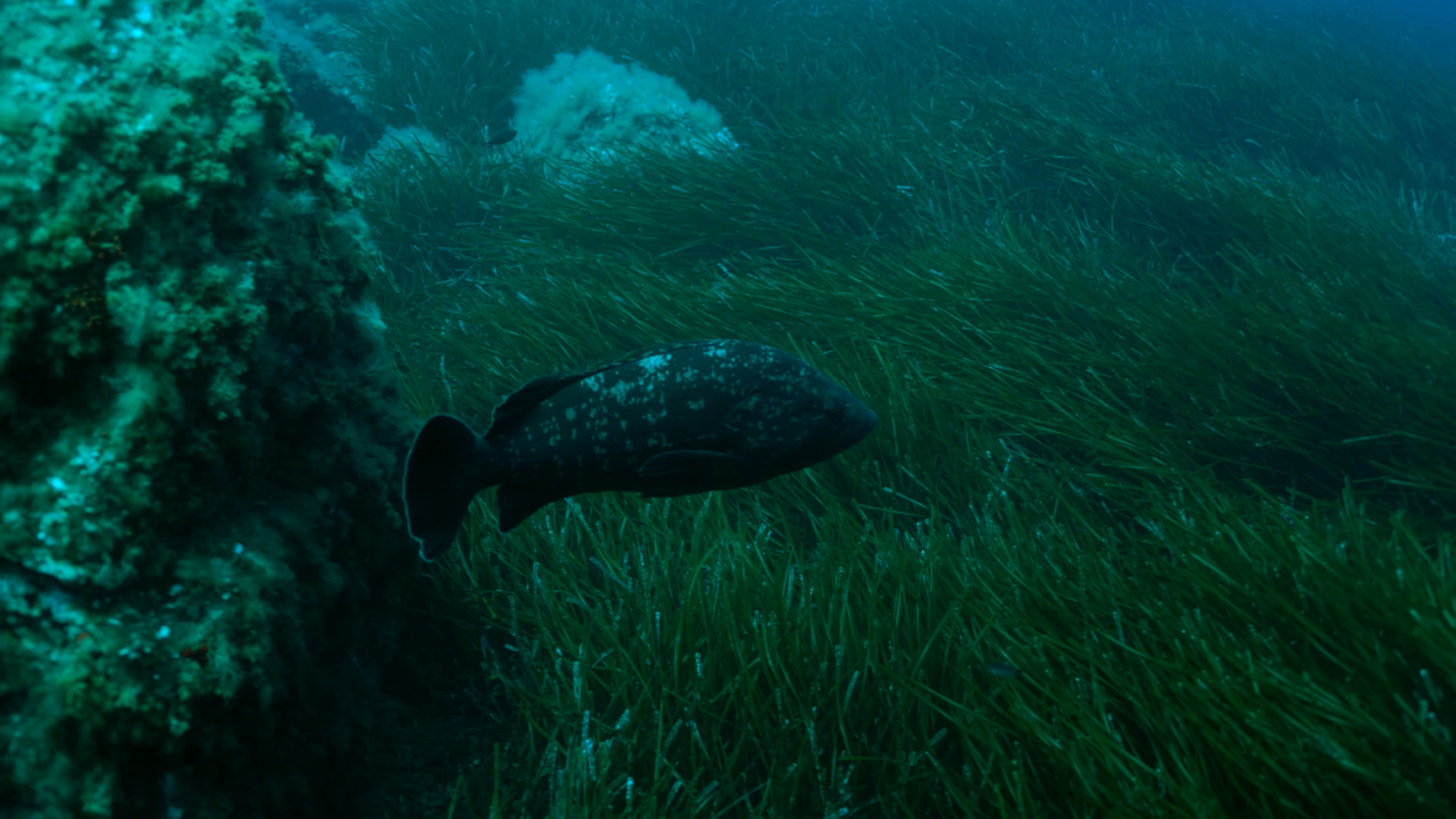
The Mediterranean is considered a biodiversity hotspot. According to the International Union for Conservation of Nature (IUCN, 2022), this region boasts between 15,000 and 25,000 plant species and at least 1,900 animal species, but “approximately 19% are at risk of extinction” due to habitat loss caused by human activity and the climate crisis.
Fishing is considered a major driver of biodiversity loss. According to the latest report from the UN General Fisheries Commission for the Mediterranean (GFCM), “58% of commercial stocks are fished outside biologically sustainable limits” in the Mediterranean and the Black Sea, and the “average fishing pressure” is still double the sustainable level.
Italy has by far the largest fleet in the Mediterranean, with around 10,000 vessels responsible for 39% of the total catches in the region.
Several NGOs and researchers in Italy say the Italian government is behind on its protection commitments, and is rather establishing “paper parks” to fulfill its international commitments without actually limiting the activity of its fishing fleet.
“Fishing is prohibited in Italy’s marine protected areas,” says Valentina Di Miccoli, marine campaigner for Greenpeace Italia. “We see that habitats are doing better in these areas: although the effects of climate change are also noticeable here, we can see that biodiversity is responding better,” she says.
According to Di Miccoli, however, “we’re talking about very small areas,” while the Italian Ministry of the Environment is mainly looking at other forms of protection to achieve its goals, such as the protected areas of the EU Natura 2000 network, where -regarding fishing- “there are no protection measures: you can fish, you can trawl, you can do everything.”
Paper parks
“Most of the Natura 2000 allow fisheries because of the way they were designated, they were designated specifically for some habitat, or for some species,” Susan Gallon, Scientific Manager at the Mediterranean Network of Marine Protected Areas Managers (MedPAN), tells us. “If a Natura 2000 was designated to protect seabirds,” the researcher says, “we tell the fisherman ‘don’t worry’.”
Since 2024, Italy has been subject to an European infringement proceeding because the regular trawling in some Natura 2000 areas has led to excessive bycatches of protected seabirds, such as Cory’s shearwater and Manx shearwater, entangled in nets.
“The violations concern the Italian fleet and the implementation of the Habitats Directive,” the European Commissioner for the Environment, Jessika Roswall, said in a written statement on July 3. “Several Natura 2000 locations and sites across Italy were cited as examples of the violations being contested,” the Commissioner wrote.
According to Greenpeace Italy, who carried out an independent monitoring on bycatches in the Natura 2000 areas in Italy in partnership with the Italian League for the Protection of Birds, “a single cast of tuna hooks, which can involve the deployment of around 600 hooks, resulted in the killing of 25 shearwaters on the most recent day of observation alone.”
ISPRA considers the Natura 2000 network areas as an important asset for achieving its marine protection targets. “With a new series of sites that have now been proposed, we will likely exceed 30%,” Tunesi tells us.
Asked about the lack of protections regarding fishing, the researcher acknowledges that in these areas “at European level we need to start thinking about some measures to regulate fish catches.”
ISPRA also includes in its official stats other controversial “protected areas”, such as the Cetacean Sanctuary, a large portion of the sea where fishing is regularly permitted.
A regional inaction
Italy’s poor performance in protected areas at sea is in line with other Mediterranean countries. In the region, according to a study published in 2020, less than 0.06% of the sea enjoys full protection.
Most of the protected areas have been established by EU countries, while North African countries like Libya have not yet implemented any form of protection at all.
“More than 97% of the MPAs are in EU waters,” Gallon tells us. “This is a massive gap in terms of protection in the Mediterranean sea between north and south,” she says.
Italy, however, is the main regional player for fishery, and its share of protected area in the sea will decrease significantly with the establishment of the Exclusive Economic Zone, which will extend the national water to 200 nautical miles, or halfway to the waters of other countries. On July 22 the Italian government voted on a draft regulation, and is expected to take further steps leading to the formal establishment of this zone.
“With this measure, we intend to protect our interests, starting with those of the fishing industry, in the economic exploitation of maritime areas beyond territorial waters,” the Italian Foreign Minister Antonio Tajani said in a press release.
According to Tunesi, “in the next few years, this will happen, and we will reach a middle ground not only with France and Croatia, but also with Libya, Tunisia, and Greece. So we will have very large spaces, our 100% will be gigantic,” the researcher says.
This investigation was also published on:

This story was produced with the support of: